Some walls do more than decorate. Magnetic wallcoverings turn a plain surface into a place to hold notes, art, and ideas, while metallic and mica papers catch light and shift as you move past them.
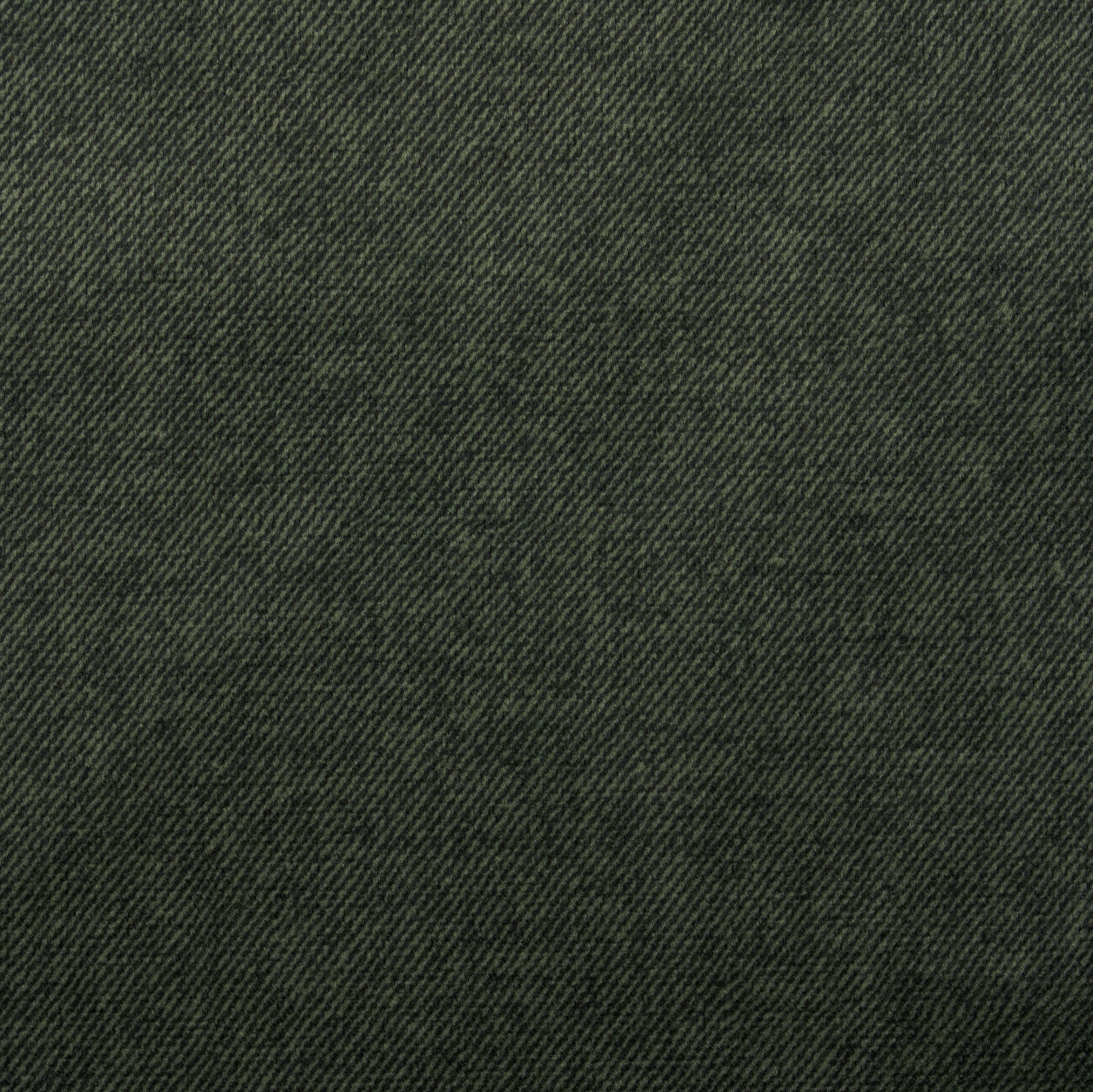



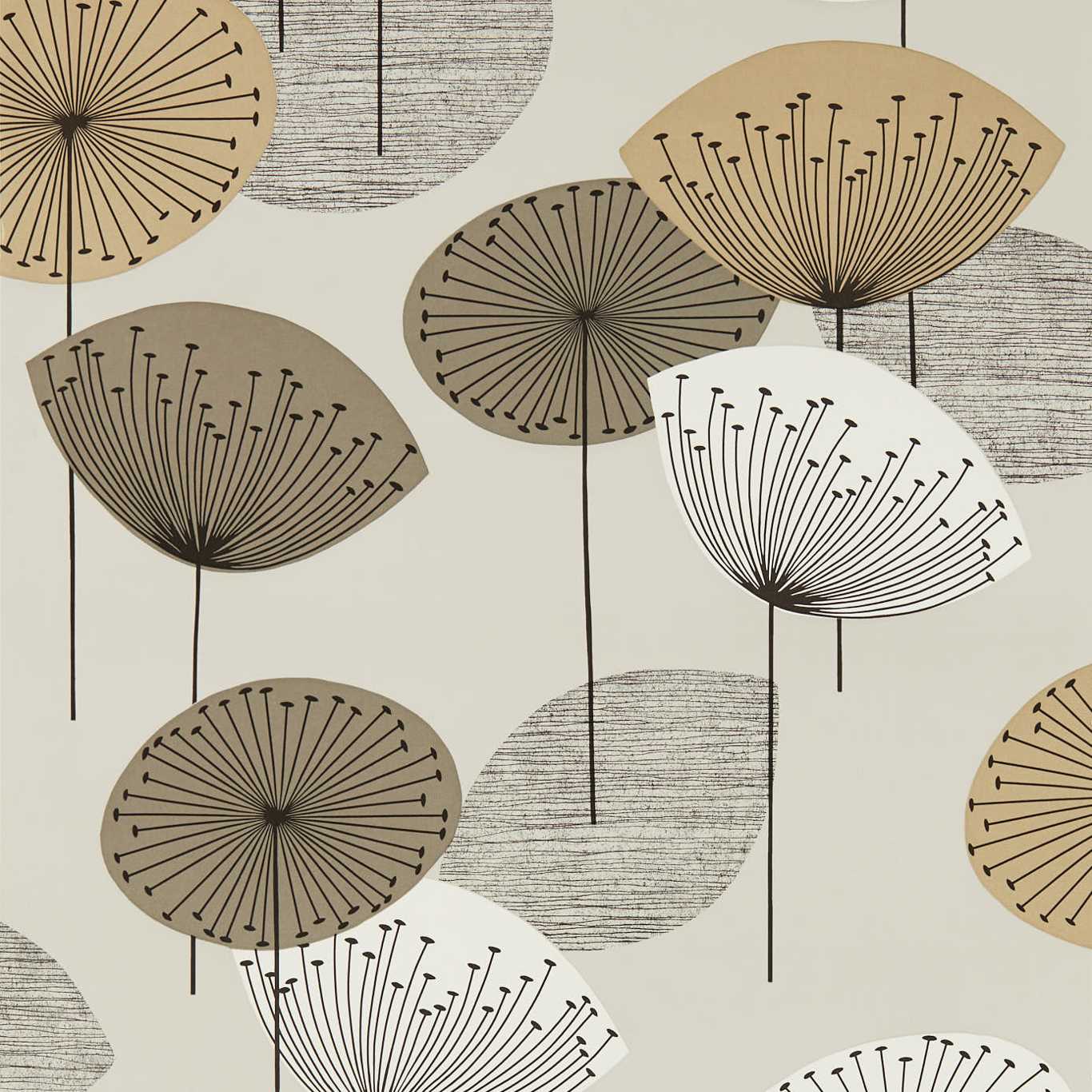

How magnetic wallcovering works
A magnetic wallcovering carries a layer of iron particles or a thin ferrous sheet behind its face, so magnets grip the wall directly. It is not itself magnetic; it is receptive, meaning it attracts magnets rather than sticking to other metal. That distinction matters when you shop, because the strength of the hold depends on how much ferrous material is in the layer and how thick the finish over it is.
The practical payoff is a wall that works. Kitchens, home offices, kids' rooms, and conference rooms use it as a paintable or pre-finished surface where you can rearrange photos, schedules, and artwork without pinholes or tape. Many magnetic products are made to be painted or papered over, so the function hides under whatever finish you choose.
Metallic, mica, and metal-leaf finishes
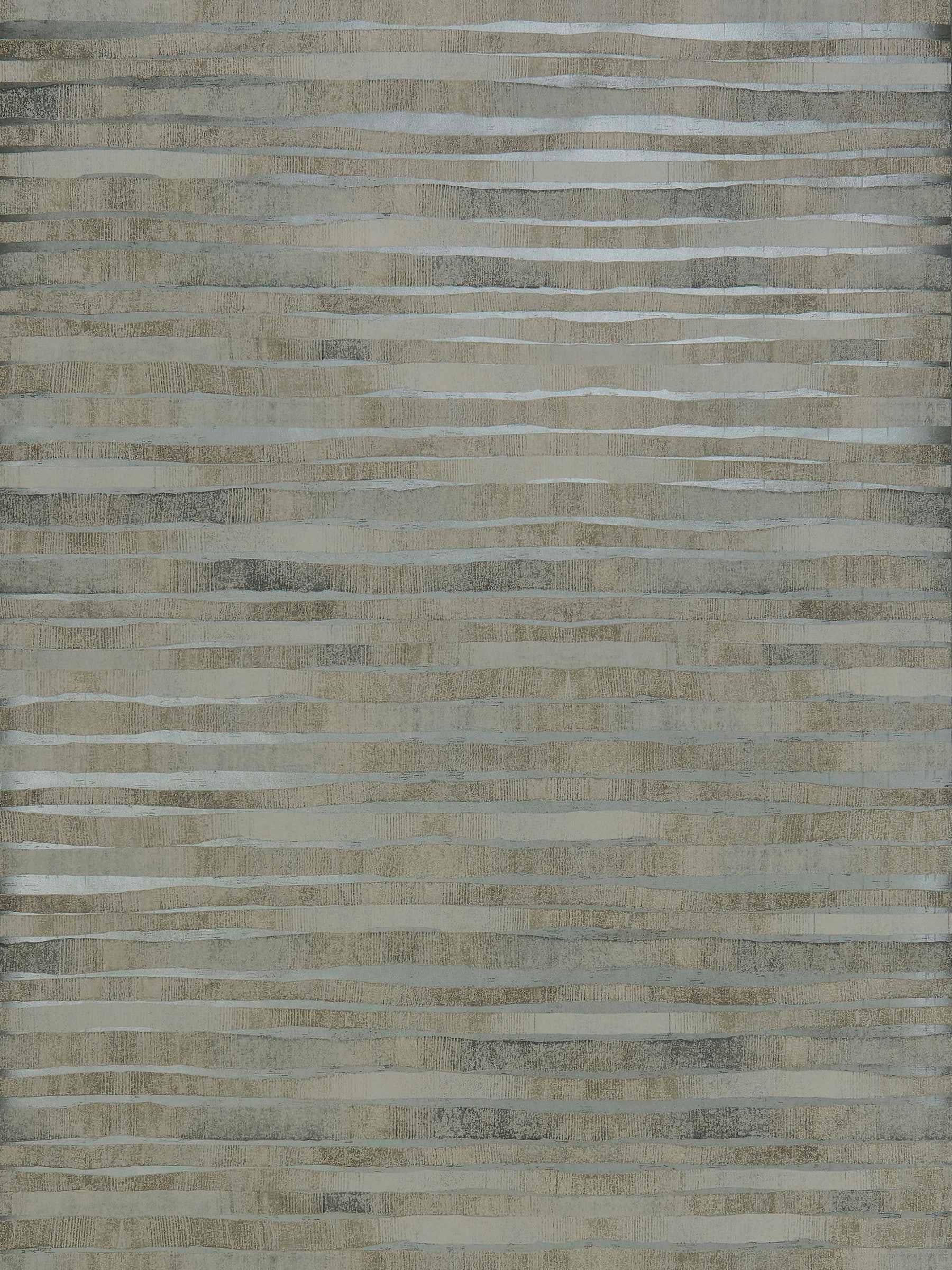
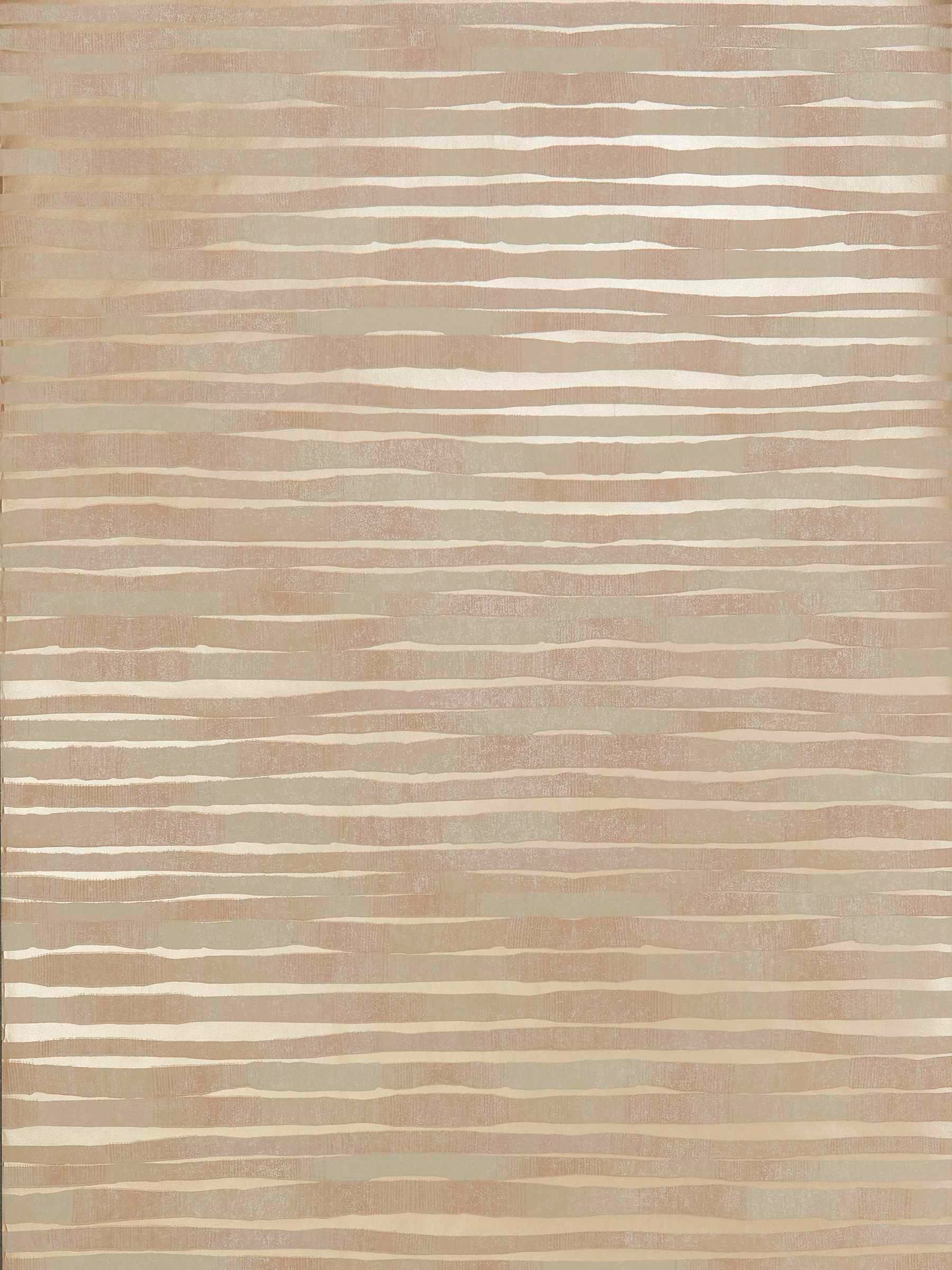
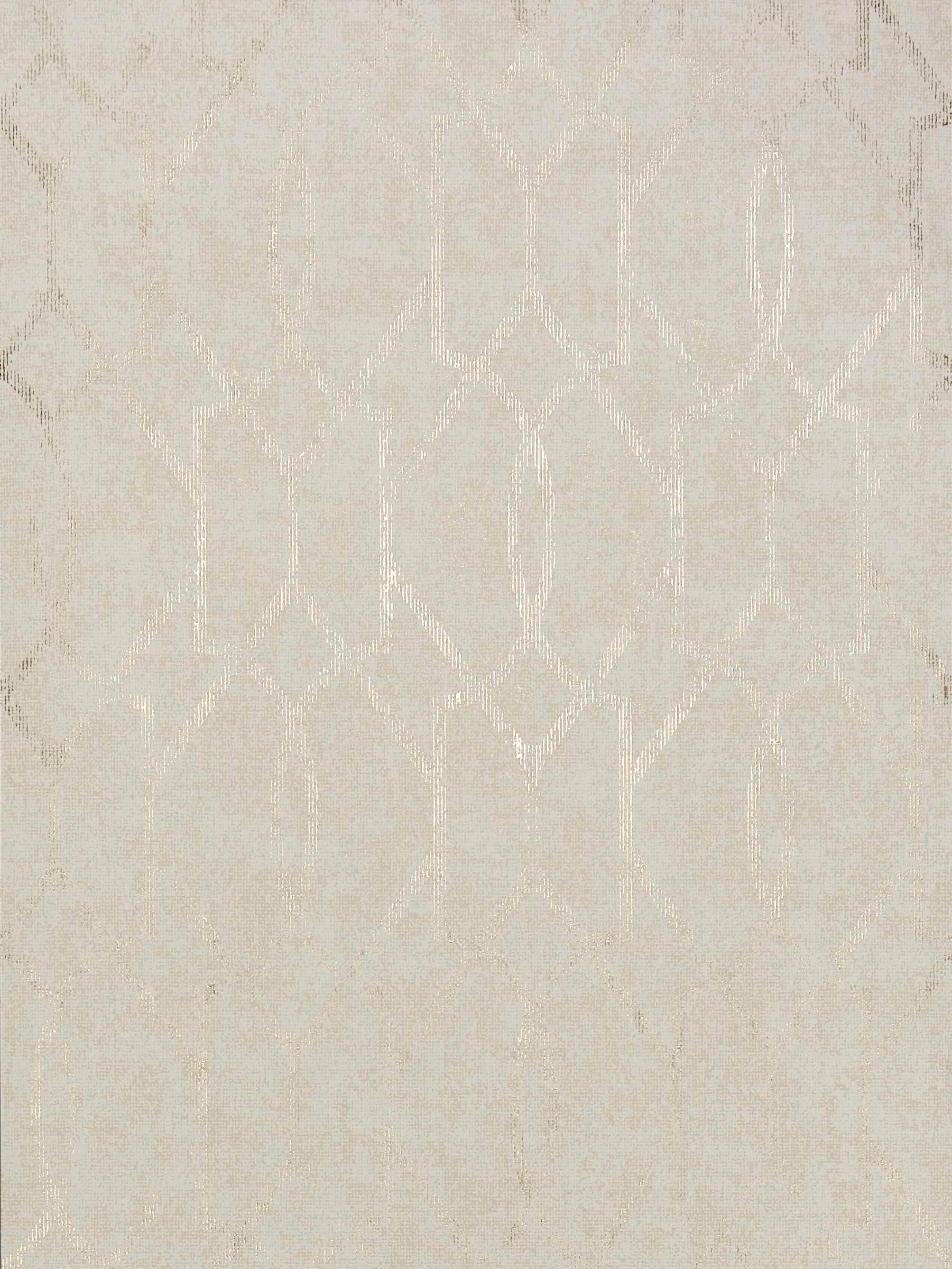
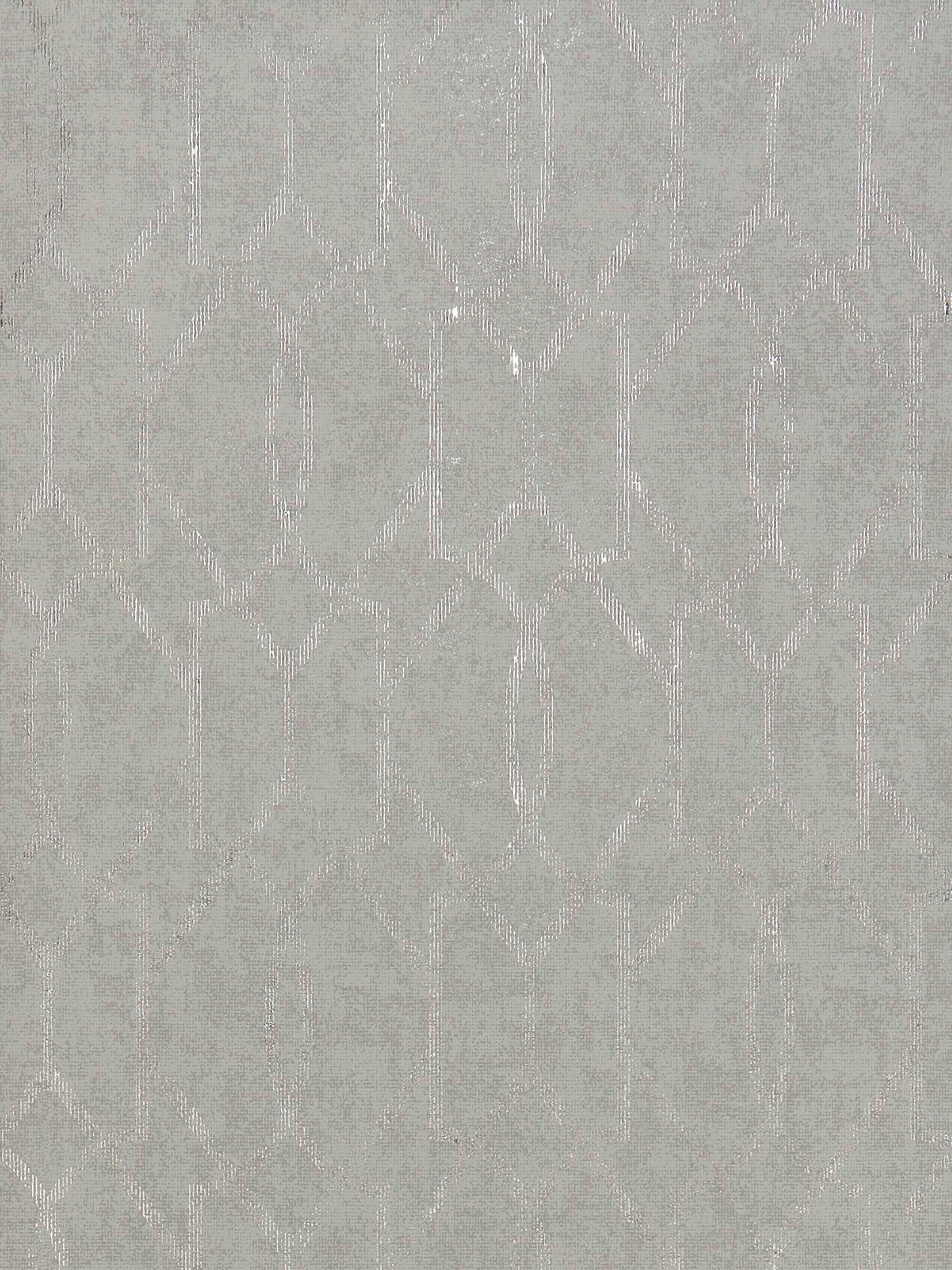
Metallic wallcoverings get their shimmer from metallic inks, foils, or real metal leaf applied to the surface. Mica papers use ground mica, a natural mineral, to create a soft pearlescent glow that reads more like a sheen than a mirror. Both change dramatically with the light source and viewing angle, which is their whole appeal and also their main challenge.
Because reflective surfaces amplify whatever is beneath them, wall prep is unforgiving. Every bump, seam, and roller mark can telegraph through a metallic face, so these finishes almost always want a smooth, lined substrate. Handle them carefully during install; foils and leaf can scuff or fingerprint, and the damage shows.
Choosing between look and function
It helps to separate two goals: do you want a wall that holds things, or a wall that shines? Magnetic products are chosen for utility and are often plain or paintable. Metallic and mica papers are chosen for drama and light play. A few specialty products combine a magnetic base under a decorative or paintable top, but most sit in one camp.
Magnetic strength and metallic sheen also age differently. A magnetic wall's hold is permanent as long as the ferrous layer is intact, while a metallic finish's brilliance depends on keeping the surface clean and unscratched. Knowing which quality you are buying keeps expectations, and the install spec, honest.
Quick checklist before you order
- Receptive, not magneticThe wall holds magnets; you still supply strong magnets to grip through the finish.
- Test the holdAsk how thick a finish the magnets pull through before you paint or paper over it.
- Prep for metallicsLine and smooth the wall; reflective faces show every seam and bump.
- Mind fingerprintsFoil and leaf scuff easily; plan careful handling and clean hands at install.
- Match sheen to lightView metallic and mica samples under the room's real lighting and angles.
Frequently asked
Is magnetic wallcovering actually magnetic?
It is magnet-receptive, not magnetized. It contains a ferrous layer that attracts magnets, so you press magnets against it to hold notes and art; the wall itself won't stick to other metal.
Can you paint over magnetic wallcovering?
Many magnetic products are made to be painted or papered over. Keep the finish thin, because thick coats weaken how strongly magnets can grip through the surface.
Why do metallic and mica papers show wall flaws?
Their reflective surfaces bounce light, which exaggerates any bump, seam, or roller mark beneath. A smooth, lined substrate is usually needed for a clean result.
Read more
- Magnetic-receptive wallcovering vs magnetic paint: two different ways to make a wall hold a magnetOne embeds a continuous steel sheet, the other suspends iron particles in a primer. The two hold a magnet very differently.
- Pull force, shear, and why a heavy notice needs a strong magnet, not a stronger wallThe number on a magnet's packet is measured in a lab condition that a wall almost never reproduces. Here is what actually holds a sheet of paper up.
- Dry-erase surfaces compared: melamine, painted steel, and porcelain enamelWriteable walls come in three main surface types, and they differ in how long they stay writeable, whether they hold a magnet, and what they cost.
- Specifying a magnetic writeable wall for a classroom or open-plan officeA whole-wall magnetic and dry-erase surface is a different specification from a hung board. Here is what belongs on the drawing.
- Installing steel-backed magnetic wallcovering over a sound substrateThe steel layer that gives the wall its function also makes it heavier and less forgiving than ordinary wallcovering. The install reflects that.